

Insights on warehousing, inventory & supply chain
Practical guides and ideas for running faster, more accurate warehouses.
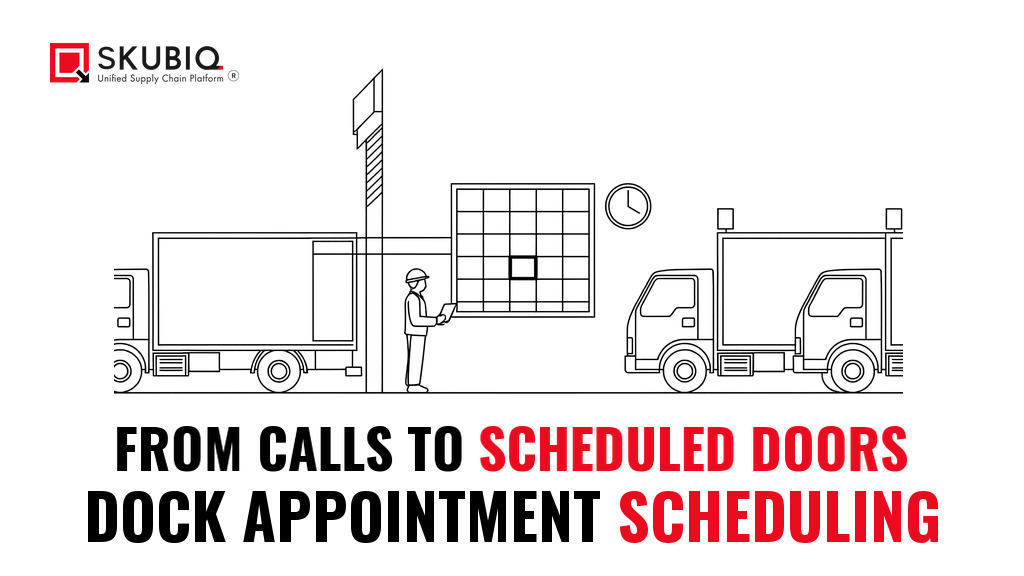
From Phone Queue to Scheduled Doors: How Dock Appointment Scheduling Works
Three trucks arrive at eight in the morning, nothing comes until two, and the receiving crew spends the day reacting. Dock appointment scheduling replaces that with a plan the dock, the carrier and the roster all work from. This guide sets out what the practice is, what an unplanned arrival actually costs - including the detention numbers from the American Transportation Research Institute - the seven steps that make it work, and how SKUBIQ-TMS and SKUBIQ-WMS hold the appointment, the door, the crew and the receipt together.
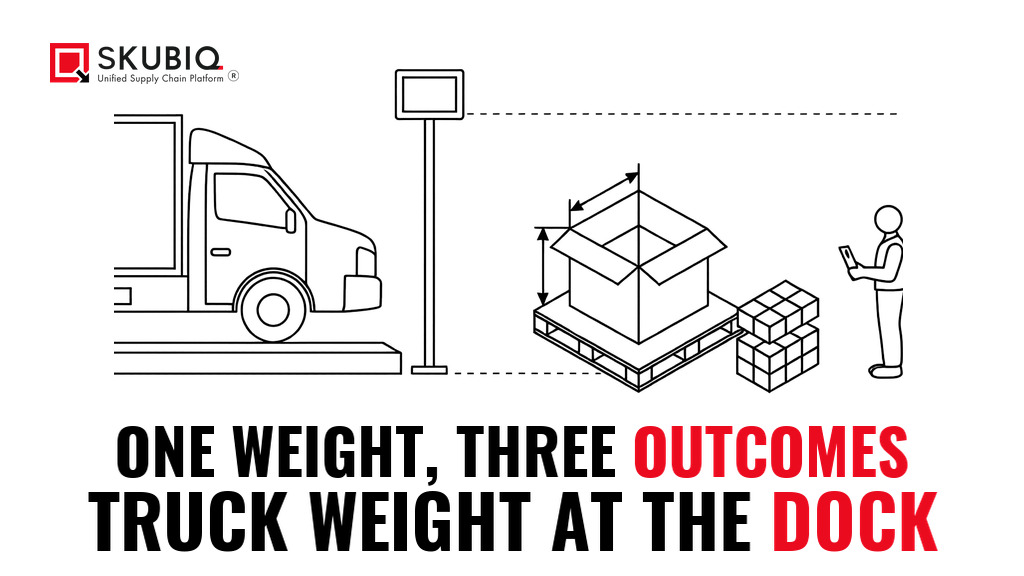
One Weight, Three Consequences: Truck Weight at the Dock
A truck is weighed once, at the dock, and three separate systems then act on that number: the freight invoice, the legal weight limit under the Motor Vehicles Act, and the toll multiplier that has applied on National Highways since 15 April 2026. This guide sets out the rules behind each one - Section 113 limits, Section 114 weighment, the Section 194 penalties raised in 2019, the Supreme Court's position on compounding, and the chargeable-weight rules that decide what you are actually billed - and shows how to capture the number once so it can be used by all three.
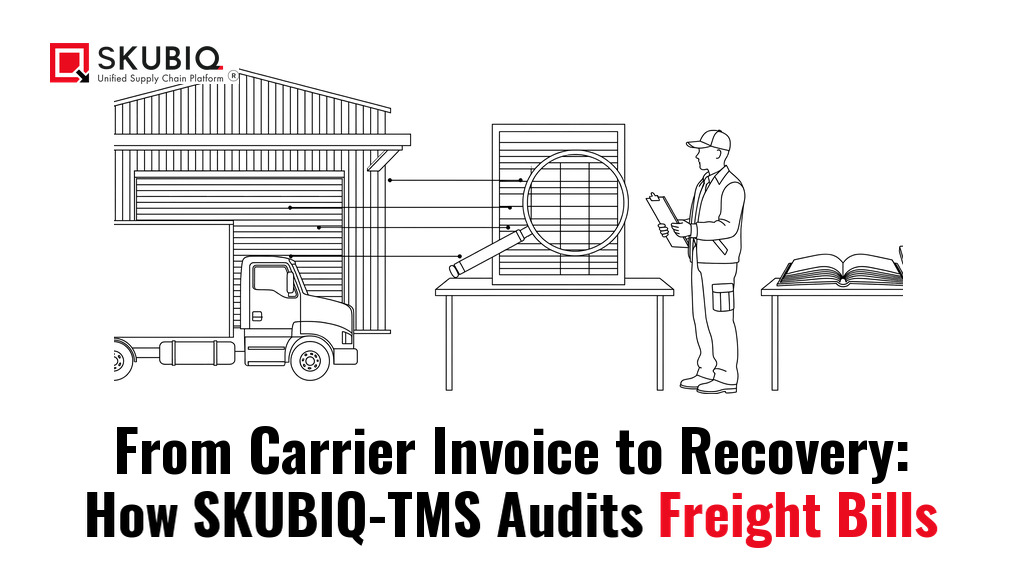
From Carrier Invoice to Recovery: How SKUBIQ-TMS Audits Freight Bills
A carrier invoice is a claim, not a fact. This guide covers freight bill audit for Indian shippers and 3PLs: what the bill is made of, the four documents every charge must agree with, the six charges that fail most often, and how the reconciliation is built into the transport record.

From Half-Empty Trailer to Full Load: How SKUBIQ-TMS Loads Every Cubic Foot
A trailer is a box you pay for whether it is full or not. How Indian warehouses measure trailer utilisation, build loads the dock can actually execute, and stop paying for empty space.
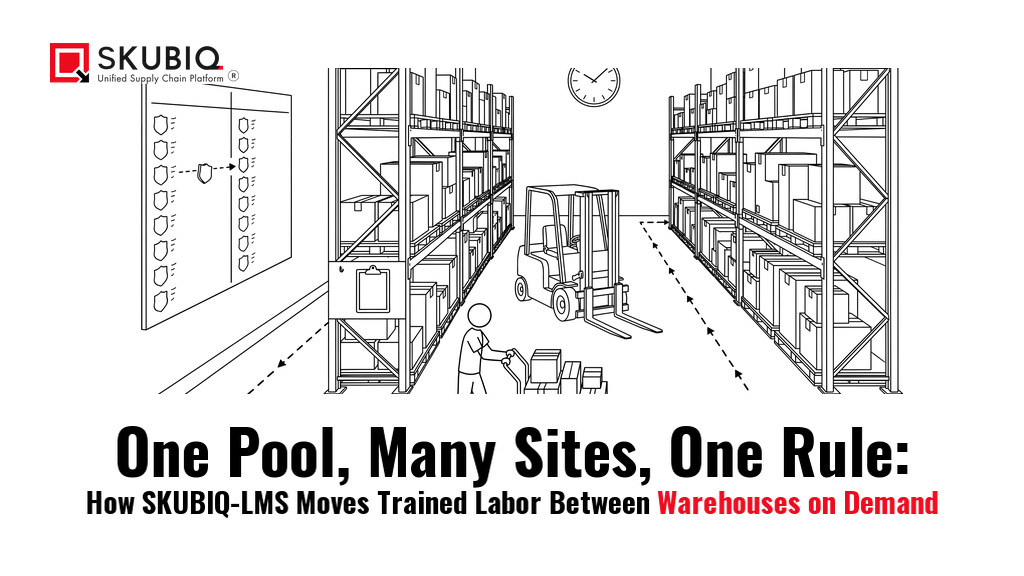
One Pool, Many Sites: How SKUBIQ-LMS Moves Trained Labor Between Warehouses Against Live Demand
One shared pool of trained operators, and the rules that decide whether a borrow between two sites beats the overtime it replaced - travel time included.
From Headcount to Cost per Order: How SKUBIQ-LMS Turns Man-Hours Into a Number You Can Budget On
Labor is the largest controllable line in a warehouse, but cost per order shipped is usually the last number anyone can act on. How to build it from man-hours, travel time and units per hour - and segment it until it names an action.
From Spreadsheet to Sign-Off: How SKUBIQ-LMS Keeps Every Job Inside Its Certification Window
A qualification is a date, not a title. How a warehouse skill matrix tracks operator certifications, why an expiry breaks shift coverage before it breaks compliance, and what SKUBIQ-LMS and SKUBIQ-WMS do about it.
From Regional FC to Doorstep: How SKUBIQ-WMS Runs Dark Store Networks for 10-Minute Delivery
A dark store is a micro-fulfilment node on a supply chain, not a small supermarket. This guide covers the node hierarchy from regional FC to doorstep, the inventory arithmetic behind a 10-minute promise, FEFO and temperature zoning in a flow-through facility, sortation and last-mile dispatch, the KPI set that survives a dark-store audit, and what SKUBIQ-WMS, SKUBIQ-TMS and SKUBIQ-LMS each do about it.

From Right-Size to Right-Charge: How SKUBIQ Cartonizes Every Order to Cut Dimensional Weight
Cartonization is the decision to pick the smallest carton that safely holds the order. This guide covers how dimensional weight turns a box into a bill, why the item master decides everything, how to design a carton library and the rules that make it work at the pack station, and what SKUBIQ-WMS, SKUBIQ-LMS and SKUBIQ-TMS each do about it.

From Warehouse Operations to 3PL Billing: How SKUBIQ Simplifies Pallet and Volume-Based Billing
In today's 3PL industry, warehouse management is about more than inventory control. Logistics providers must accurately convert warehouse activities into…
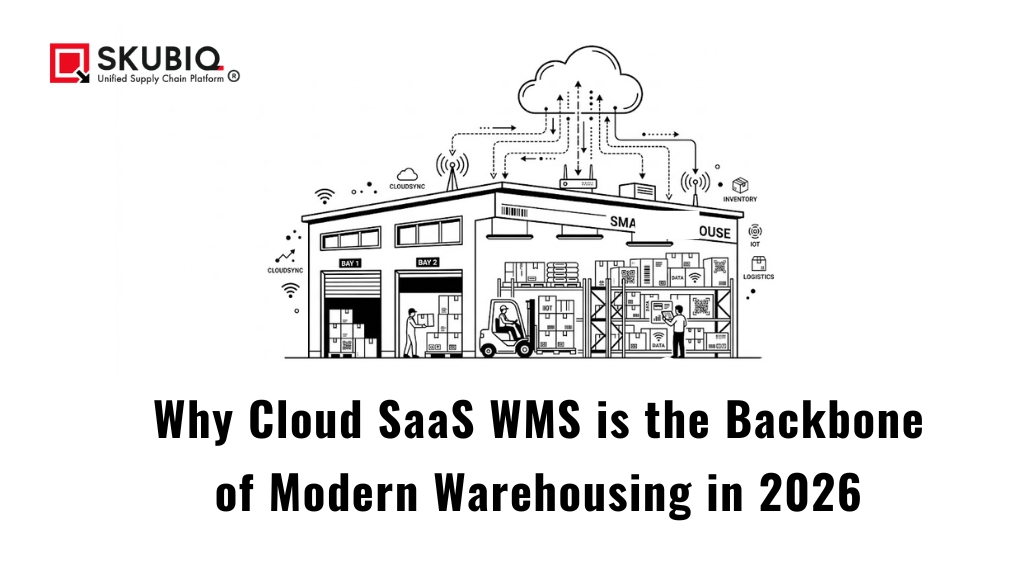
Why Cloud SaaS WMS is the Backbone of Modern Warehousing in 2026
In today’s fast-evolving logistics ecosystem, speed, accuracy, and adaptability are no longer optional—they’re essential. As supply chains become more dynamic…
Unlocking ROI: Key Metrics to Track After Implementing SKUBIQ WMS
In today’s competitive logistics landscape, warehouses face mounting pressure to streamline operations and reduce costs while maintaining accuracy. Investing…