
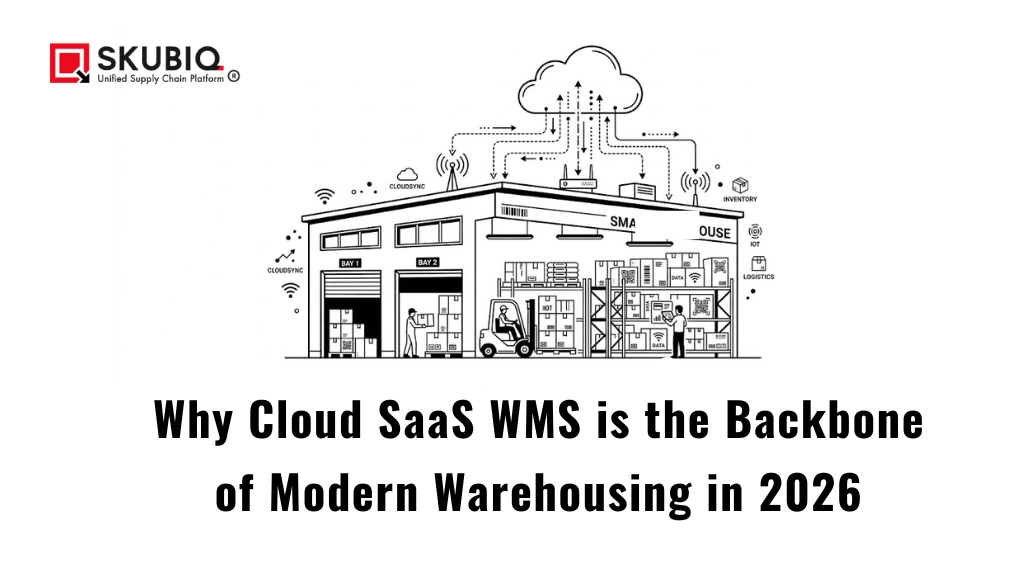
In today’s fast-evolving logistics ecosystem, speed, accuracy, and adaptability are no longer optional—they’re essential. As supply chains become more dynamic and customer expectations rise, businesses are rapidly moving away from traditional systems and embracing Cloud-based Warehouse Management Systems (WMS).
A Cloud SaaS WMS is not just a technology upgrade—it’s a strategic transformation that empowers logistics companies, especially 3PL providers, to stay competitive and future-ready.
1. Built for Flexibility and Scalability
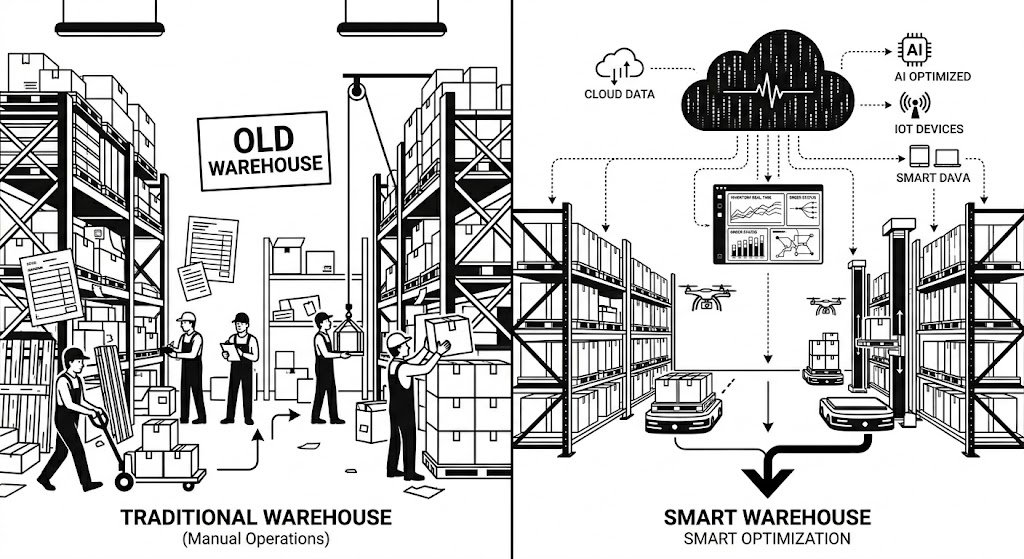
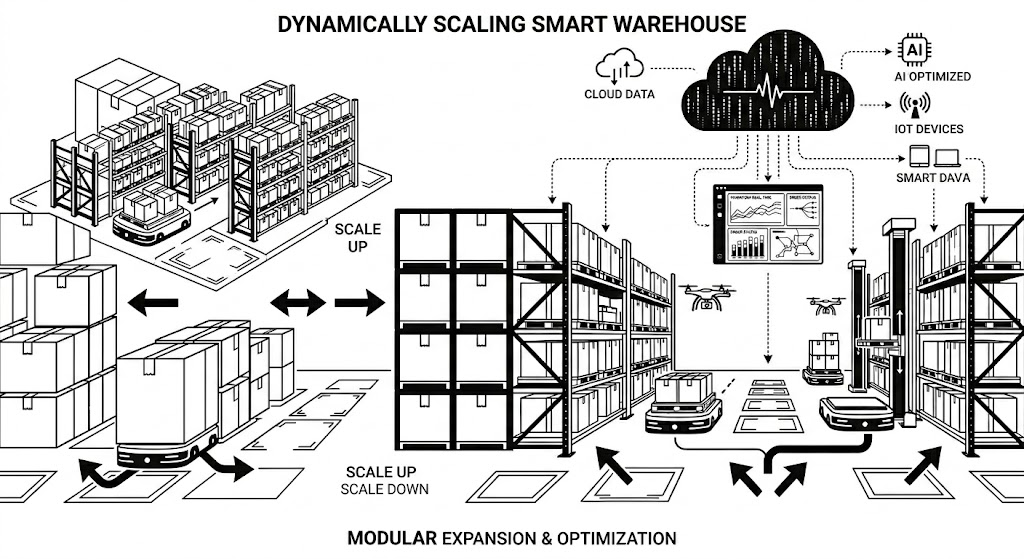
Modern logistics demands systems that grow with your business. A Cloud WMS allows you to scale operations up or down effortlessly based on demand fluctuations—without worrying about infrastructure limitations.
Whether you’re onboarding new clients or expanding warehouse capacity, the system adapts instantly, making it ideal for fast-growing 3PL environments.
2. Smarter Cost Management
Cost efficiency is one of the biggest advantages of Cloud WMS.
- No heavy hardware investments – everything runs on the cloud
- Reduced IT dependency – no need for large in-house tech teams
- Subscription-based pricing – predictable and manageable costs
This model is especially beneficial for SMEs, allowing them to invest more in growth rather than infrastructure.
3. Real-Time Visibility for Better Decisions
In 2026, real-time data is everything.
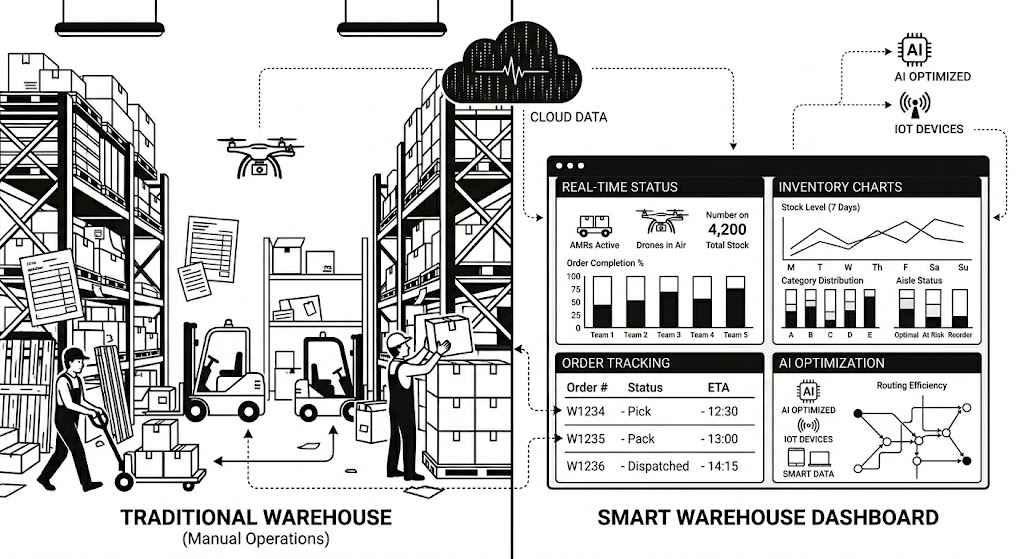
A Cloud WMS provides complete visibility into:
- Inventory levels
- Order status
- Warehouse performance
This enables faster, data-driven decisions and helps businesses respond instantly to demand changes.
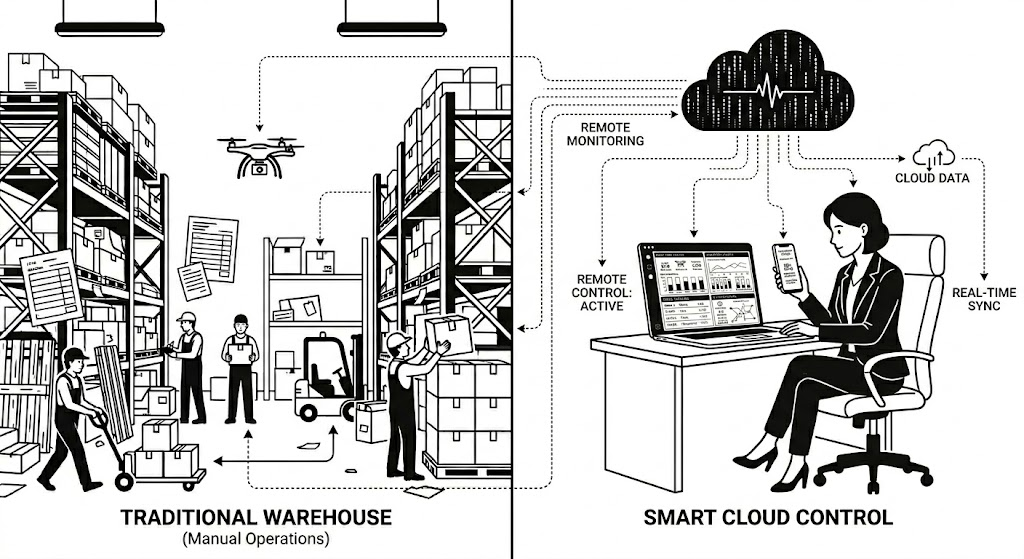
4. Access Your Warehouse from Anywhere
With remote work becoming the norm, accessibility is critical.
Cloud WMS allows managers and stakeholders to:
- Monitor operations remotely
- Track performance in real time
- Make decisions on the go
All you need is an internet connection—your warehouse is always within reach.
5. Always Updated, Always Secure
Forget manual updates and system downtime.
Cloud WMS ensures:
- Automatic feature upgrades
- Regular security patches
- Zero disruption to operations
This keeps your system modern, secure, and high-performing without additional effort.
6. Faster Implementation, Faster ROI
Traditional WMS deployments can take months.
Cloud WMS significantly reduces implementation time because:
- No physical infrastructure setup is required
- Deployment is faster and more streamlined
This means you start seeing value and ROI much sooner.
7. Seamless Collaboration with 3PL Partners
Collaboration is at the core of successful 3PL operations.
Cloud WMS offers:
- Centralized data access
- Real-time coordination
- Improved communication between stakeholders
The result? Higher efficiency and better customer satisfaction.
8. Future-Ready and Adaptable
The logistics industry is constantly evolving with new technologies and regulations.
Cloud WMS helps you stay ahead by:
- Integrating easily with emerging technologies
- Adapting to regulatory changes
- Supporting innovation in operations
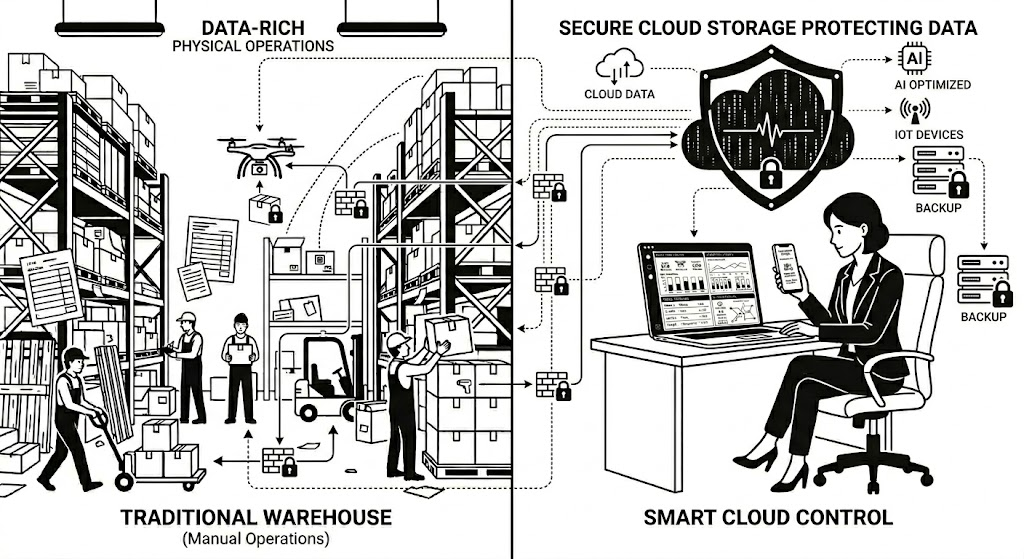
9. Strong Disaster Recovery and Data Security
Downtime and data loss can be costly.
Cloud WMS provides:
- Secure, off-site data storage
- Automated backups
- Quick recovery mechanisms
This ensures business continuity even during unexpected disruptions.
10. Tailored to Your Business Needs
Every warehouse operates differently—and Cloud WMS understands that.
With high customization and integration capabilities, you can:
- Align workflows with your operations
- Integrate with ERP and other systems
- Build a solution that fits your exact needs
Final Thoughts
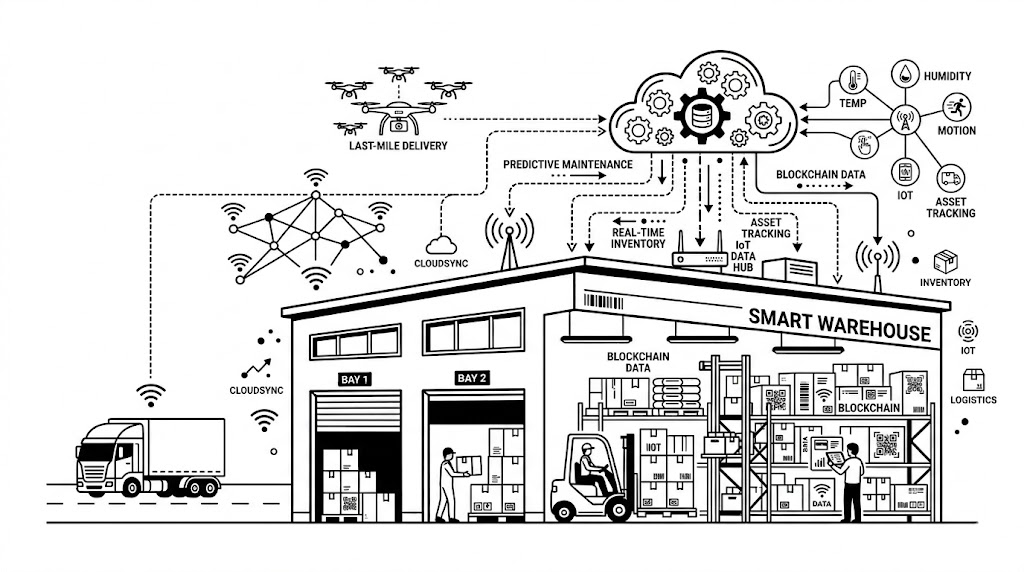
As logistics continues to evolve, adopting a Cloud WMS is no longer just an option—it’s a necessity. From cost savings and scalability to real-time visibility and seamless collaboration, the benefits are undeniable.
Businesses that embrace Cloud WMS today are setting themselves up for greater efficiency, resilience, and long-term success.
The future of warehousing is cloud-driven—and the time to switch is now.